

Table of Contents
- Introduction: AFL 2025 and the Role of Awards
- Understanding Juniors vs Seniors: What Awards They Value
-
-
- Junior Players (Auskick to U12)
- Older Juniors & Senior Players (U13+)
-
- Types of AFL Trophies
-
-
- Best & Fairest (Club Champion)
- Most Improved (Achievement Award)
- Leading Goalkicker (Top Scorer)
- Coaches’ and Managers’ Awards
- Milestones & Participation Trophies
- Special Awards (Encouragement, Sportsmanship)
-
- AFL Medals: Participation, Excellence, Leadership
- Customization Tips: Engravings, Colors & Club Branding
- Budget & Quality: Balancing Cost with Durability
- Planning a Memorable AFL Presentation Night
-
-
- Venue & Date
- Invitations & Atmosphere
- Catering
- Program & Schedule
- Entertainment & Engagement
- Highlighting Every Player
-
- Conclusion: Partner with Champion Trophies & Awards
In 2025, the AFL celebrated its 129th season with record-breaking attendance and memorable on-field moments. As the year wraps up, clubs from grassroots Auskick squads to senior teams are preparing for their year-end presentation nights. The trophies and medals handed out at these ceremonies carry special meaning: they recognize each player’s skill, effort, leadership, and team spirit. Thoughtful award choices can make those acknowledgments even more meaningful.
This is a special occasion for everyone involved, from the junior Auskickers to the seasoned veterans, to celebrate their passion for the game and acknowledge their hard work. A well-executed presentation night, complete with the perfect AFL trophies and AFL medals, is the ultimate way to cap off the year.
But with so many options available, how do you choose the right awards that truly reflect the spirit and achievements of your team? It comes down to understanding the distinct needs of junior and senior players.
Making the right choice goes beyond aesthetics; it’s about aligning the awards with the values and traditions of your club. This guide provides an in-depth, authoritative look at selecting the perfect trophies and medals for every level of the game.
Understanding Juniors vs Seniors: What Awards They Value
Junior players (Auskick to U12):
Younger players often value inclusion, effort and fun more than just winning. In fact, research shows about 75% of kids under 12 would rather play on a losing team than sit on the bench of a winning team. Clubs typically reward this by giving participation medals or certificates to all young players. For example, one junior club gave every Auskicker and modified-team player an engraved participation medallion at season’s end. Awards like Most Improved, Encouragement, or even simple “team spirit” trophies often motivate juniors by celebrating effort and progress over raw stats.
Older juniors and senior players (U13+):
As players grow into their teens and adulthood, focus shifts toward performance and leadership. Teen and senior players often expect awards tied to winning and achievement (such as Best & Fairest or top goal-kicker trophies). They also value recognition of leadership and commitment (for example, captains’ or coaches’ awards).
However, fair play and teamwork remain important – many clubs still include a Sportsmanship or Club Person of the Year award to honor attitude and off-field effort. In short, older players want trophies that reflect excellence and contribution on the field, whereas juniors cherish awards that say “well done for being part of the team.”
Types of AFL Trophies
Many clubs hand out trophies in several categories each season. Below are some common ones:
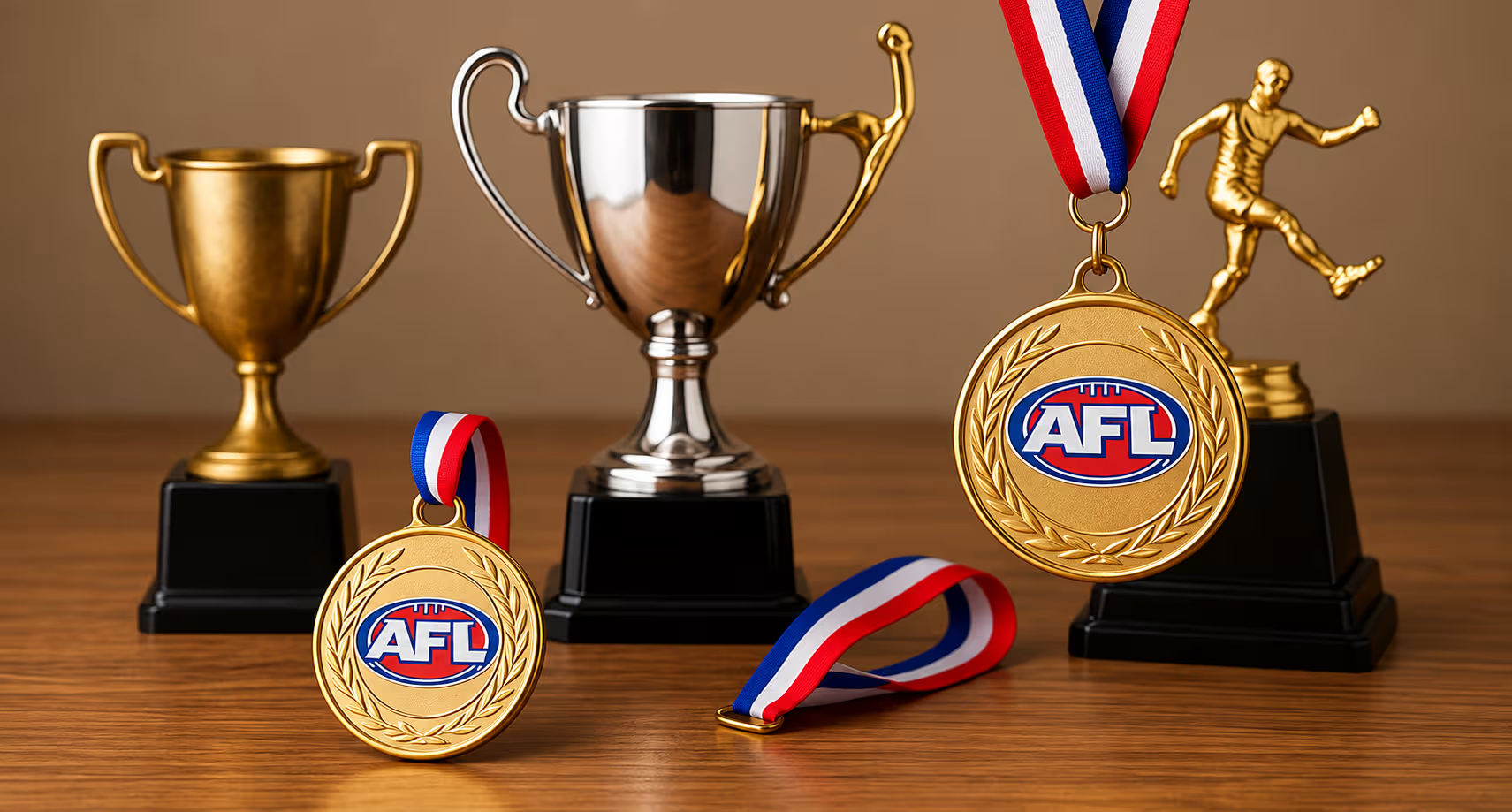
- Best & Fairest (Club Champion) – This is the club’s top individual award (essentially a season MVP). In AFL tradition, the Best & Fairest recognizes the player judged best over the season, subject to fair play rules. At club level this might be decided by coaches’ votes, and clubs often also award a Runner-up Best & Fairest trophy. This trophy is usually the highlight for senior players.
- Most Improved (Achievement Award) – Given to a player who has shown significant development during the season. Many junior and youth teams love this award, as it celebrates effort and progress. (For instance, one club’s guidelines list an “Achievement Award” alongside their Best & Fairest trophies.)
- Leading Goalkicker (Top Scorer) – Awarded to the player who kicks the most goals in the season. This is a popular category in many clubs (often teenagers and seniors compete for this). It highlights a clear statistical achievement.
- Coaches’ and Managers’ Awards – Trophies for dedication, consistency or attitude. These are chosen by the coaching staff or team manager. For example, one club’s season awards include Coaches Award and Managers Award for players who exemplify work ethic or team spirit.
- Milestones / Participation Trophies – Some clubs recognize special milestones. For example, players reaching 50 or 100 games might get commemorative plaques or medallions. In addition, very junior teams often give participation trophies or medallions to everyone for simply completing the season. (One club specifically noted their Auskickers all receive engraved participation medals.) Celebrating milestones or participation makes even casual players feel included.
- Special Awards (Encouragement/Sportsmanship) – Many clubs add unique trophies to promote values like teamwork and effort. For example, a junior AFL club’s awards list includes “Encouragement” and “Sportsmanship” trophies for their girls’ and boys’ sides. Such awards ensure players who help the team or display great attitude get recognized, not just the top scorers.
AFL Medals: Participation, Excellence, Leadership
In addition to trophies, medals with ribbons are commonly used to recognize players in AFL presentations. Some typical medal awards include:
- Participation Medals: Often given to all players on a team, especially at the junior level. This reinforces that simply showing up and sticking with the team is valued. For example, Mt Lawley Inglewood JFC reports every Auskicker and modified-team player gets an engraved participation medallion at season’s end. These medals are a tangible “thank you” for commitment.
- Excellence Medals: Small medals can honor outstanding performances. Clubs sometimes hand out “best-on-ground” medals for finals or end-of-season best player. While trophies cover season-long awards, excellence medals (often gold/silver colored) let clubs give every standout player a keepsake for that achievement.
- Leadership / Service Awards: Medals or special trophies can highlight leadership and service. For instance, Mt Lawley Inglewood JFC also names a “Club Person of the Year” at its awards night to recognize volunteer service. In on-field terms, a Captain’s Medal or Coaches’ Leadership Award might be given to the team captain or an inspirational player. Recognizing leadership (even off-field) with a medal or trophy reinforces its importance to the club culture.
Customization: Engravings, Colors, and Club Branding
- Engraving and Wording: Make sure each award’s engraving clearly shows the recipient’s name, the award title, year and club. Use easy-to-read fonts. Trophy guides suggest classic serif fonts (like Times New Roman) for a formal tone. Keep the inscription concise but meaningful (e.g. “Club Best & Fairest 2025 – [Name]”).
- Color and Plates: Coordinate trophy colors with your club’s colors. One guide notes that black text on a gold engraving plate is very popular, and you can match the plate or border color to your team colors. For example, if your club is red and blue, you might use a red engraving plate with a blue border and silver lettering, as suggested in engraving tips. Many trophies allow colored inserts or colored plaques – choosing these in club colors makes each award feel special.
- Logos and Graphics: Personalize awards by adding your club logo or mascot. Most Australian trophy suppliers include logo printing on the trophy’s plate or medallion at no extra cost. Championed by the largest trophy retailers, this free logo service ensures every award looks custom. You can also order special inserts (printed or engraved) that feature your team emblem, event logo or sponsor branding.
- Materials and Finish: Consider whether you want metal, crystal/glass, acrylic or wood trophies. Metal and crystal awards generally have a high-quality feel but can cost more. Acrylic awards can look sleek and come in bright colors. For a splash of color, some trophies use UV full-color printing instead of engraving. When customizing, balance cost with appearance – for example, acrylic trophies with color printing are eye-catching yet often less expensive than hand-etched glass.
Budget & Quality: Balancing Cost with Durability
- Decide on Budget: Determine what you can afford per award and in total. Remember you may need multiple trophies and medals for all categories and age groups. If money is tight, focus larger trophies on the major awards (like Best & Fairest) and use simpler medals for participation.
- Material vs Price: Cheaper trophies are often plastic or resin, which lowers cost but can feel flimsy and may not last. Higher-quality trophies (solid metal, crystal, or engraved wood) cost more but have a premium look and durability. For example, many clubs spend extra on a beautiful AFL-style Cup trophy for their senior Best & Fairest, while giving lightweight medals to junior teams. Pick the best material your budget allows, since these awards will be keepsakes for years.
- Order in Bulk: Buy as many awards as you need at once. Many Australian suppliers offer bulk discounts for team orders. In fact, some trophy companies advertise price-match guarantees to ensure clubs get the lowest price. It pays to shop around or ask suppliers for a group rate – often you’ll find affordable packages with no loss of quality.
- Supplier Reputation: Use a trusted retailer that stands by its products. Look for options like express production time (some guarantee 3–5 day turnaround) and satisfaction guarantees. Good suppliers will use Australian standards materials (like non-lead plating for trophies) and offer free corrections on engravings. Don’t hesitate to ask for a sample or proof of previous work. Investing a little more on a reputable supplier ensures the trophies you present look professional and last.
Planning a Memorable AFL Presentation Night
Choose Venue and Date
Pick a venue that’s accessible and fits your club’s vibe. A local community hall or clubroom often works well. Make sure it can comfortably hold players, families and any equipment. Set the date early (even do a quick survey) so most members can attend. Avoid clashes with public holidays or other local events.
Invitations and Atmosphere
Build excitement with bright, clear invites. You could even make a short video invite or highlight reel to share. Decorate the space in club colors (banners, balloons, posters). A slideshow of season highlights or action photos projected on a screen sets a festive tone.
Catering
Provide food and drinks suited to the crowd. A buffet or finger foods often work best for clubs. Include kid-friendly and vegetarian options so everyone feels considered. Keep snacks and water available throughout; happy, full guests are more attentive during speeches and awards.
Program and Schedule
Have a clear run-sheet so the night flows smoothly. For example, greet guests and serve a meal first, then invite everyone to their seats. Begin with a short welcome (thank coaches, sponsors, families), then proceed with awards by division or category. A sample timeline might be: Opening remarks, dinner, awards (from team participation to top awards), then closing. Keep speeches brief and upbeat. According to event-planning guidelines, a structured timeline (guest arrival, welcome, dinner, award presentations, closing) helps ceremonies run seamlessly. You might even print a simple program for guests.
Entertainment and Engagement
Plan some fun elements between awards. Popular ideas include a quiz about club trivia, a photo booth with props, or even light games (e.g. a raffle or “guess the score” contest). If your club wants, invite a guest speaker or have the coach share funny anecdotes or award “nominations” to keep laughs going. Music can also lift energy – a playlist of team songs or a live presentation by a junior band can make the night feel special.
Highlight Every Player
Ensure every award recipient has their moment. Call each player up with the same enthusiasm (consider playing walk-up music). Have a coach or official make a brief statement as they accept each trophy or medal. Taking team or individual photos on stage (or have a family photo area) creates lasting memories. Finally, wrap up by thanking coaches, volunteers and families for the season’s support. A well-run presentation night – one that feels inclusive and celebratory – makes the trophies and medals you give out even more meaningful.
Conclusion
Choosing the right award for each player makes your presentation night truly memorable. By matching trophies and medals to what juniors and seniors value, clubs reinforce the hard work and values that make AFL so special.
At Champion Trophies & Awards, we live and breathe footy. We know that the right trophy – engraved with a player’s name and your club’s colors – can become a proud keepsake. That’s why we offer an extensive range of AFL trophies and medals designed for juniors and seniors, all customizable to your club’s branding.
Let us help you honor your players’ achievements – visit Champion Trophies and Awards to find the perfect trophies and medals for your next presentation night.
